Sri Lanka produces some of the finest tea in the world — and the highland regions where it grows are as beautiful as the tea itself. Two destinations consistently come up for first-time visitors planning a tea plantation visit: Nuwara Eliya at 1,868 metres, and Ella at 1,041 metres. They are only 70 km apart but they feel completely different, and they offer different things.
This guide breaks down both regions honestly — the scenery, the factory tours, the experience on the ground, and what type of traveller each one suits best. By the end you should have a clear answer for your own trip.
⚡ Quick Answer: Which Is Right for You?
🌵 Choose Nuwara Eliya if…
- You want the most extensive tea scenery in Sri Lanka
- You want a full, structured factory tour with tasting
- You enjoy cool, misty highland weather (8–18°C)
- Colonial architecture and history interests you
- You are on the Kandy–Ella route and stopping overnight
🌸 Choose Ella if…
- You want to walk directly through working estates
- You prefer an immersive, independent experience
- You want to combine tea with the Nine Arch Bridge hike
- A relaxed, unhurried village base appeals to you
- You are already staying in Ella for one or two nights
What Is the Actual Difference?
Both regions grow excellent Ceylon tea. Both have factory tours. Both have stunning scenery. But they have different characters, different visitor experiences, and different practical setups.
Nuwara Eliya is the original heartland of Sri Lanka’s tea industry. At 1,868 metres it sits higher than anywhere else in the country, and the climate here — cold, misty, with dramatic temperature shifts between morning and afternoon — produces some of the most delicate, high-grown Ceylon teas. The tea estates are vast, spreading across every hillside for as far as you can see. The factory tours are structured, comprehensive, and include the full production process from fresh leaf to finished product.
Ella sits lower at 1,041 metres in a narrow valley surrounded by steep, forest-covered ridges draped in tea. The estates here are smaller and more intimate — you feel inside them rather than looking across them. Ella’s appeal is less about the factory experience and more about the landscape itself: walking between estate rows, watching pickers work, and looking out over the valley from within the tea.
Nuwara Eliya: The Heartland of Ceylon Tea
Nuwara Eliya has been producing tea since the British established the first estates here in the 1860s. The town itself — with its Tudor buildings, rose gardens, and golf club — has a peculiarly English atmosphere that sits incongruously against the surrounding highland landscape. But the tea is anything but incongruous. This is where Sri Lanka’s finest, most sought-after high-grown teas come from.
The best factory tours in the area are at Pedro Tea Estate and Mackwoods Labookellie Estate — both accessible from the main road between Nanu Oya and Nuwara Eliya town. A comprehensive tour walks you through the full production process: plucking demonstration, withering, rolling, oxidation, and firing. Most tours end with a tasting session comparing different grades of tea.
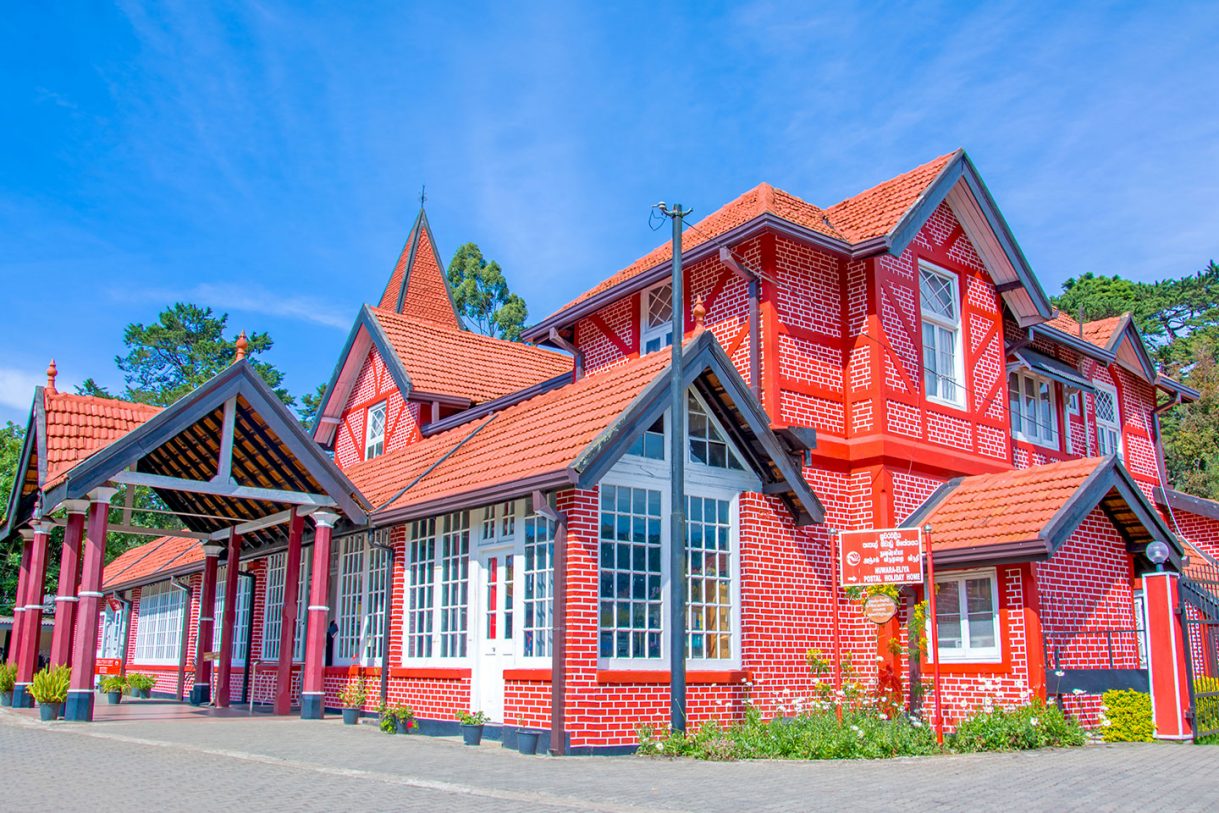
Beyond the factory, Nuwara Eliya is worth a half-day in its own right. Gregory Lake is a colonial-era reservoir surrounded by parkland. Victoria Park is excellent for endemic highland birds. The town’s market, post office, and hotel architecture are genuinely fascinating as a piece of colonial history.
Ella: Tea Estates You Can Walk Into
Ella’s relationship with tea is different. The factory experience is less prominent here — what Ella offers instead is the sensation of being completely inside a working tea landscape. The walk from Ella town up to Little Adam’s Peak passes directly through active tea estates, with rows of bright green bushes stretching up steep hillsides and pickers working throughout the morning.
The most visited tea facility near Ella is the Tea Factory Hotel (formerly Halpewatte Tea Factory) — a converted Victorian-era factory that retains much of its original machinery. The smaller Newburgh Tea Estate offers more intimate tours with direct access to estate rows and picking demonstrations.
The combination of the tea estate walk, the views from Little Adam’s Peak, and the Nine Arch Bridge all within easy walking distance makes this a remarkably full half-day without needing a vehicle at all.
Which Region Is Better For…
🌵 Nuwara Eliya Wins For…
Best overall factory experienceStrongest for
- Comprehensive, structured factory tours
- The most dramatic high-grown tea scenery
- Full understanding of the production process
- Colonial town exploration alongside tea
- High-altitude climate & misty atmosphere
- Horton Plains & World’s End day trip nearby
Less ideal for
- Less opportunity to walk freely through estate rows
- Popular factories can be crowded during peak season
🌸 Ella Wins For…
Best immersive estate experienceStrongest for
- Walking directly through working estates
- Watching pickers work at close range
- Combining tea with Nine Arch Bridge hike
- Relaxed, independent exploration on foot
- Village atmosphere and excellent local food scene
- Milder temperatures more comfortable for walking
Less ideal for
- Less comprehensive structured factory production tours
- Less sweeping highland panoramas than Nuwara Eliya
What Happens in a Tea Factory Tour
Whether you visit Nuwara Eliya or Ella, a good factory tour covers the same fundamental process. Here is what to expect at each stage:
Plucking
The top two leaves and a bud are hand-picked from each bush — the “two leaves and a bud” that defines quality Ceylon tea. Skilled pickers can harvest 15–20 kg per day. Most tours include a demonstration of the correct picking technique before entering the factory.
Withering
Fresh leaves are spread on large wire mesh troughs and air is blown through them for 12–18 hours. This removes around 50% of the moisture content and makes the leaves pliable enough for rolling without breaking.
Rolling
The withered leaves are passed through rolling machines that break down the cell walls, releasing the enzymes and juices that determine final flavour. This is the noisiest part of the factory — large Victorian-era machines that have not changed significantly in 150 years.
Oxidation (Fermentation)
The rolled leaves are spread on cool floors and left to oxidise — the process that turns green leaves brown and develops the characteristic flavour and aroma of black tea. The duration of oxidation determines whether the tea is light or full-bodied.
Firing (Drying)
The oxidised leaves are passed through hot air dryers that stop the oxidation process and reduce moisture to around 3%. The smell at this stage — intensely tea-scented warm air — is one of the most distinctive sensory experiences in Sri Lanka.
Grading & Tasting
The dried tea is sieved into grades (whole leaf, broken, fannings, dust) suited to different uses. Most tours finish with a tasting session comparing grades from the same estate, followed by a tea shop where you can buy directly.
🌿 About Ceylon Tea Grades
The grade names on the packet — OP (Orange Pekoe), BOP (Broken Orange Pekoe), BOPF — refer to leaf size and style, not quality. Larger whole leaf grades brew slowly and produce complex flavours. Broken grades and fannings brew faster and produce a stronger, bolder cup. The finest high-grown teas are often the lightest in colour but most delicate in flavour.
Which Should You Choose? A Decision Guide
You are travelling from Kandy to Ella and stopping overnight in Nuwara Eliya
Do Nuwara Eliya. The factory tour fits naturally into the route and the town warrants a half-day in its own right.
You are based in Ella for one or two nights
Do Ella. Walk to Little Adam’s Peak via the tea estates in the morning and combine it with the Nine Arch Bridge in the afternoon. No vehicle needed.
You want the most comprehensive factory education
Nuwara Eliya. Pedro or Mackwoods Labookellie offer the most complete, well-organised tours with full access to all stages of production.
You want the most beautiful estate walking experience
Ella. The path to Little Adam’s Peak through the estates at dawn, with valley mist below and pickers already working, is the most immersive tea landscape experience in Sri Lanka.
You have time for both regions on your itinerary
Do both. They are only 70 km apart and genuinely complement each other. Most 10–12 day hill country itineraries visit both naturally as part of the same circuit.
Both Nuwara Eliya and Ella fit naturally into a highland itinerary between Kandy and Yala. If you are planning the route and want help sequencing the stops — tea factory visit, Ella hike, Nine Arch Bridge, Nuwara Eliya town, and the train journey — Coastline Lanka Travels have been running this highland circuit since 2018 and can suggest the most logical day-by-day order based on your travel dates.
Frequently Asked Questions
Both are excellent but for different reasons. Nuwara Eliya offers more comprehensive, structured factory tours and the most extensive high-grown tea scenery. Ella offers a more intimate, immersive experience — walking directly through working estates and watching pickers at close range. If your priority is understanding the production process, choose Nuwara Eliya. If you want to feel inside a tea landscape, choose Ella. If you have time, do both.
Most factory tours in both Nuwara Eliya and Ella cost between LKR 300–800 per person (approximately USD 1–2.50). Some estates like Mackwoods Labookellie offer free tours but charge for the tasting. Premium tours at estates like Pedro cost slightly more. The tasting and tea shop at the end is usually where the real spending happens.
Tea is harvested year-round in Sri Lanka’s highlands. The best time for a plantation visit is January to April — the clearest weather, best views, and most comfortable walking conditions for both regions. Mornings are best — pickers work from around 6 AM to noon, so an early visit gives you the most active estate atmosphere and the softest light.
In Ella, yes — the path to Little Adam’s Peak passes through active tea estates and walkers are generally welcome as long as you stay on marked paths and do not disturb the pickers or the bushes. In Nuwara Eliya, the larger estates are mostly accessed through organised factory tours. Always ask permission before entering private estate land.
Nuwara Eliya produces high-grown tea (above 1,200m) — light, delicate, and flowery in character, often described as the most refined Ceylon teas. Ella sits in the mid-grown zone (600–1,200m), producing a fuller-bodied tea with more colour and strength. Both are excellent quality — the difference is in the cup character rather than one being superior.
More Sri Lanka Travel Guides
Best Time to Visit Sri Lanka: Month-by-Month Weather & Festival Guide
The Perfect 12-Day Sri Lanka Itinerary with Private Driver
Kandy to Ella Train: Complete Booking & Best Seats Guide 2026
Planning the Hill Country Route?
If you’re building an itinerary through Nuwara Eliya and Ella, Coastline Lanka Travels can put together a highland circuit that covers both tea regions, the Kandy–Ella journey, and the connecting drives at a comfortable, unhurried pace.