There is no universally bad time to visit Sri Lanka. The island is small enough, and its two monsoons different enough in direction, that somewhere is always worth visiting. The real question isn’t can I go, it’s where should I go when I arrive.
Sri Lanka has two distinct monsoon seasons that sweep the island from opposite directions. Understanding them is the single most useful thing you can do before planning your trip. This guide breaks it down month by month, weather, crowd levels, what’s open, what’s not, and the festivals that make certain months genuinely spectacular.
⚡ Quick Answer: Best Time by Purpose
Understanding Sri Lanka’s Two Monsoons
Most travel planning mistakes in Sri Lanka come from not understanding the two-monsoon system. The island sits in the Indian Ocean where two distinct seasonal wind patterns bring rain to different coastlines at different times of year. They do not overlap and they do not affect the same places. Here is what you need to know:
🌧 Southwest Monsoon (Yala)
May, September
Brings heavy rainfall to the west coast, south coast, and hill country. Colombo, Galle, Bentota, Mirissa, and Nuwara Eliya are all affected. The Cultural Triangle (interior of the island) remains relatively dry. The east coast is unaffected and at its best during this period.
🌧 Northeast Monsoon (Maha)
October, January
Brings rain to the north and east coasts, Jaffna, Trincomalee, and Arugam Bay. The west and south coasts are largely unaffected and enter their dry season. The hill country receives some rain from both monsoons.
The practical upshot: when the west is wet, visit the east. When the east is wet, visit the west. October is the exception, a transitional inter-monsoon period where rain can fall almost anywhere and neither coast is at its best.
Month-by-Month Guide to Sri Lanka Weather & Travel
January
ExcellentFebruary
ExcellentMarch
Very GoodApril
MixedMay
MixedJune
Good for EastJuly
Very Good (East)August
Very Good (East)September
ShoulderOctober
TransitionalNovember
ImprovingDecember
Excellent (but busy)Best Time by Region
If you already know where you want to go in Sri Lanka, this section tells you the best time to be there. Use it to check whether your travel window aligns with good conditions for the regions on your itinerary, and if not, which parts to adjust.
🏛 Cultural Triangle
Best: December – April
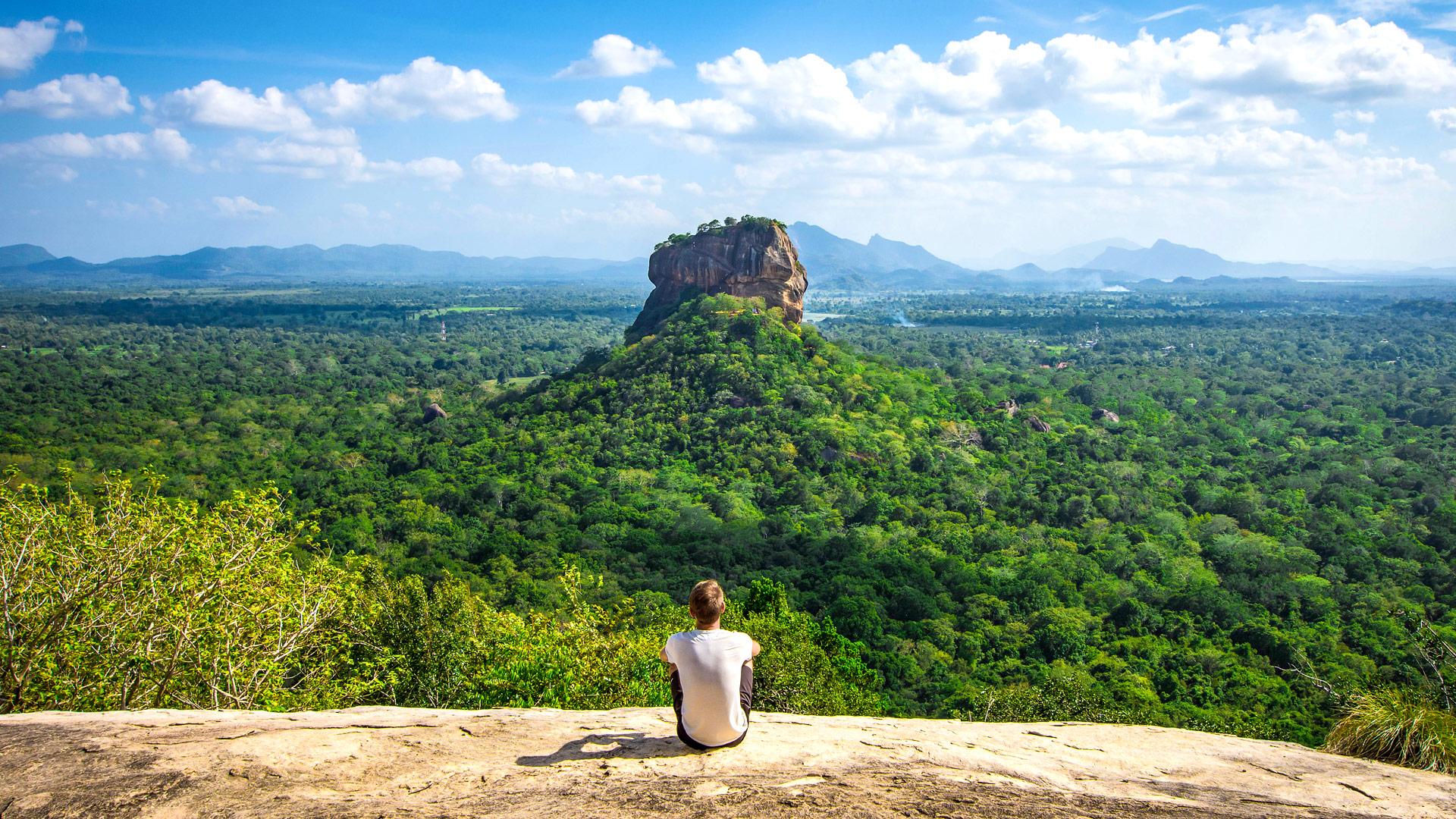
Sigiriya, Anuradhapura, Polonnaruwa, and Dambulla sit in the dry zone of the interior. They’re accessible year-round but most comfortable in the dry season. Even during the southwest monsoon (May–Sep), the interior gets less rain than the coasts.
🌈 Kandy & Hill Country
Best: January – April, August
The hill country receives rain from both monsoons and is never entirely dry. January to April is the clearest window. August can also be good. Nuwara Eliya’s April flower festival and Kandy’s Esala Perahera (July/Aug) are the headline events.
🌞 Ella & Tea Country
Best: January – March, July – September
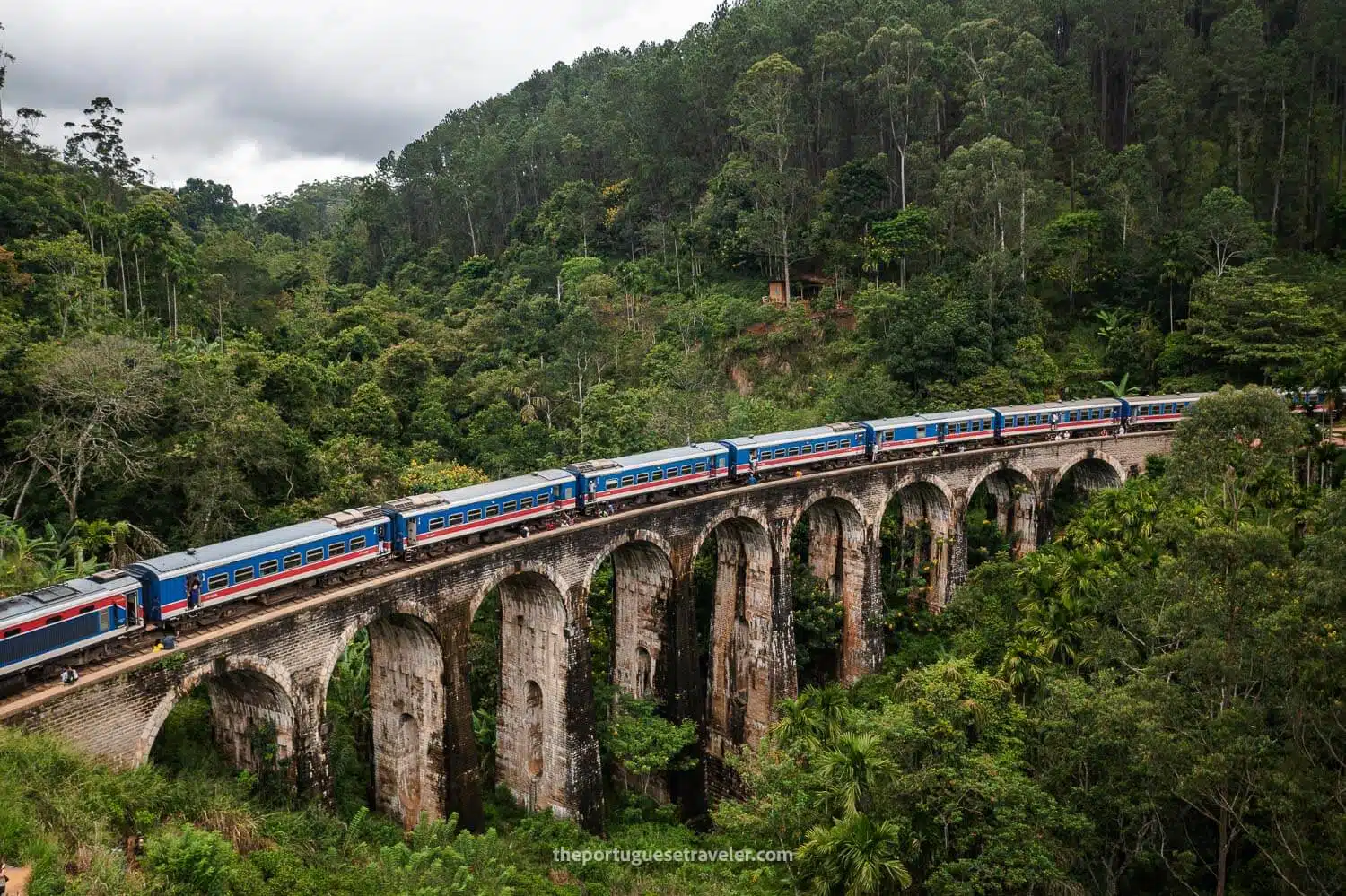
Ella sits in a transition zone. January to March is the driest window. July to September can also be good despite the southwest monsoon being nearby. The Nine Arch Bridge and Little Adam’s Peak are best in clear morning light.
🐎 Yala National Park
Best: February – July
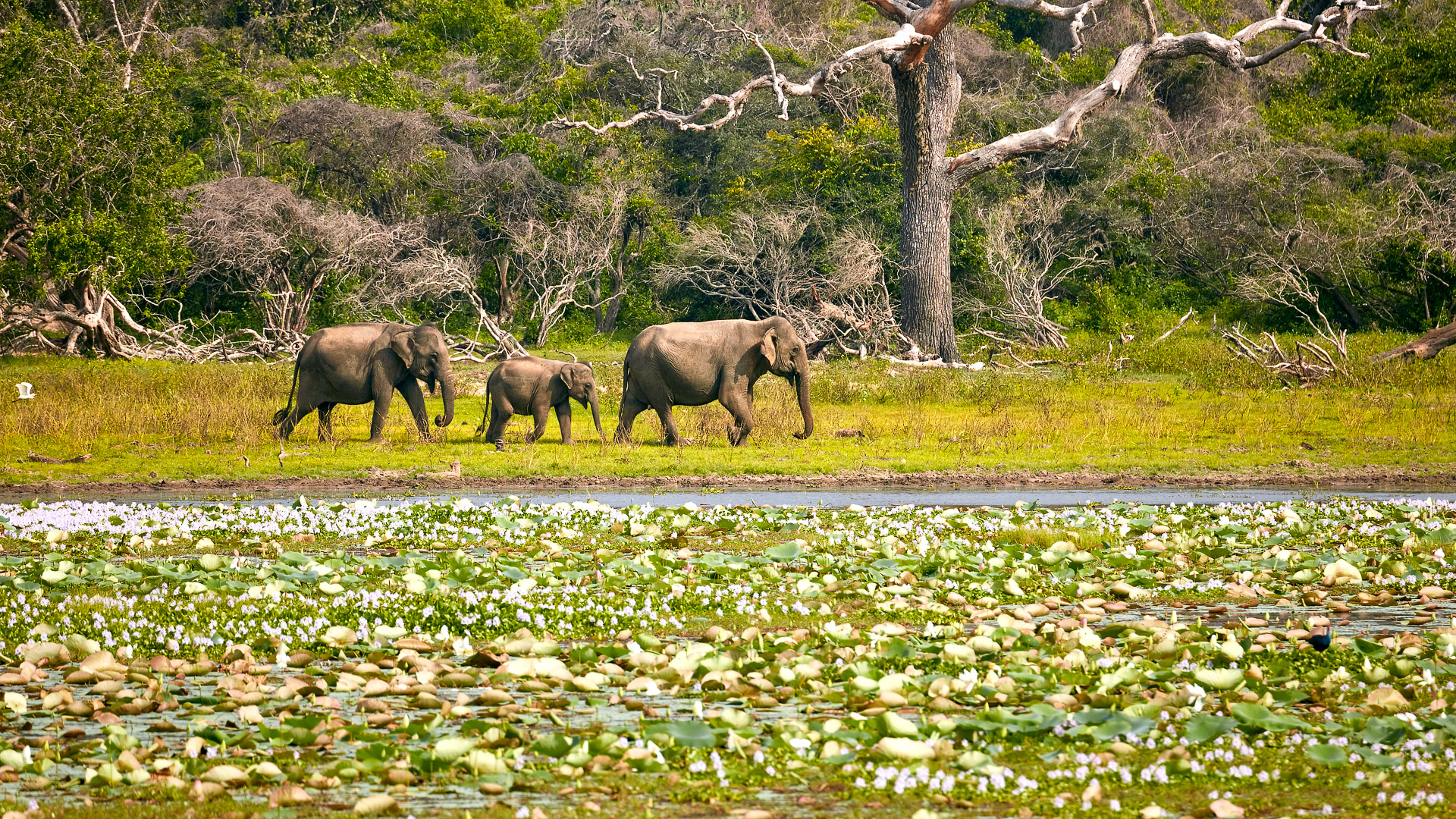
Water levels drop between February and July, concentrating wildlife around the remaining water holes, making leopard sightings more likely. Yala partially closes during August–September for the low season. Reopens in October.
🌊 West & South Coast
Best: November – April
Mirissa, Bentota, Galle, and Unawatuna are at their best from November to April when the southwest monsoon has passed. Whale watching at Mirissa peaks December to April. Avoid May to October for beach holidays on this coast.
🌋 East Coast
Best: May – September
Trincomalee (Nilaveli Beach), Passekudah, and Arugam Bay are in peak condition May to September when the rest of the island gets rain. Arugam Bay’s surf season runs July to October. Avoid October to March when the northeast monsoon arrives.
The most useful thing a good tour operator does in Sri Lanka is route your trip around the weather rather than despite it. If you have fixed travel dates in August 2026 or any other window and want an honest read on which regions will be at their best, get in touch with Coastline Lanka Travels. We have been planning private tours around the Sri Lanka seasonal calendar since 2018 and will tell you exactly what to expect in your travel window.
Sri Lanka Festival Calendar 2026
Sri Lanka has a richer festival calendar than almost any other country its size. Buddhist poya (full moon) ceremonies happen every month. The major festivals draw enormous crowds and transform entire cities. Here are the events worth planning around, or specifically travelling to see.
Note: Buddhist poya (full moon) festivals follow the lunar calendar and shift slightly each year. The Kandy Esala Perahera 2026 falls in late July and early August. Check the Kandy temples or your tour operator for the exact dates of the culminating Randoli Perahera night.
Six Things Worth Knowing Before You Book
Book Early for Peak Season
December, January, February, and the Esala Perahera period (July/August) book up months in advance. For popular accommodation in Galle Fort, Ella, or near Yala, 3–6 months ahead is not excessive.
April Prices
Sinhala and Tamil New Year (April 13–14) is the most expensive time of year. Hotels charge peak rates and public transport is overloaded. Budget travellers should plan around it.
Stay Flexible with Transport
A private driver is the best way to follow the weather. If rain moves in, a good driver can adjust the day’s route to stay in drier conditions, something no fixed bus schedule can do.
Combine Both Coasts
On longer trips (10+ days), it is possible to visit both coasts in the same trip even during monsoon months. The Cultural Triangle in the interior acts as a dry buffer between the two coasts.
Monsoon Rain Is Not All Day
Sri Lanka’s monsoon rains are often intense but brief, heavy downpours followed by sunshine. Many travellers enjoy visiting during shoulder season precisely because of the dramatic skies and quieter sites.
The “Best” Month Depends on You
Photographers often prefer the dramatic monsoon light. Festival enthusiasts target July/August for the Esala Perahera. Wildlife photographers head to Yala in February and March. Define what you want before choosing a month.
Frequently Asked Questions
December to March is the best time for the west and south coasts, the Cultural Triangle, and the hill country — warm, dry, and settled. For the east coast (Trincomalee, Arugam Bay), May to September is ideal. Sri Lanka can be visited year-round — the key is knowing which region to prioritise for your travel dates.
No month is completely off-limits, but April is the most expensive due to Sinhala and Tamil New Year (April 13–14). May and October are transitional months with unpredictable weather. The key is understanding that Sri Lanka's two monsoons affect different regions — somewhere is always worth visiting.
Sri Lanka has two monsoons. The southwest monsoon (Yala) runs May–September and affects the west and south coasts. The northeast monsoon (Maha) runs October–January and affects the north and east. The hill country receives rain from both. When one coast is wet, the other is typically dry.
The Kandy Esala Perahera takes place over ten nights in July or August, culminating on the full moon of the month of Esala. The exact dates change annually with the Buddhist lunar calendar. It features dozens of decorated elephants, fire dancers, and drummers. Book Kandy accommodation 3–6 months ahead.
Yes — December is excellent for the west and south coasts and the Cultural Triangle. Warm, dry, and photogenic. However it is peak season — prices are high and popular sites are busy, especially around Christmas and New Year (December 20 – January 2).
Yes. Because Sri Lanka's two monsoons affect opposite coasts, you can always find good conditions somewhere. During the southwest monsoon (May–September), head to the east coast. During the northeast monsoon (October–January), the west and south coasts are ideal. October is the one genuinely transitional month where both coasts are unpredictable.
Plan Your Sri Lanka Trip
The Perfect 12-Day Sri Lanka Itinerary with Private Driver
The Perfect 10-Day Sri Lanka Itinerary with Private Driver
Yala vs Udawalawe vs Wilpattu: Which Safari Is Right for You?
Travelling to Sri Lanka and Not Sure When to Go?
If you have fixed travel dates and want an honest recommendation on which regions to prioritise, we can help. We plan private Sri Lanka tours year-round and know which months suit which circuits. Send us your dates and what you want to see and we will tell you whether your plan is realistic and what to adjust if not.