Yala National Park in the deep south of Sri Lanka has the highest density of leopards of any national park in the world. That fact alone makes it extraordinary. What makes it genuinely accessible is that the leopards in Block 1 are habituated to safari vehicles, which means a patient early morning in the right area with the right guide will almost certainly produce a sighting. The word almost is honest, not pessimistic. In years of running safaris here, our guides have seen leopards on the overwhelming majority of their morning visits.
The tips below come directly from our driver guides, the people who spend hundreds of days a year in Block 1 and know the individual animals, their territories, and the daily patterns that determine where a leopard will be at 6:30 on a Tuesday morning in March. These are not general safari tips. These are specific to Yala.
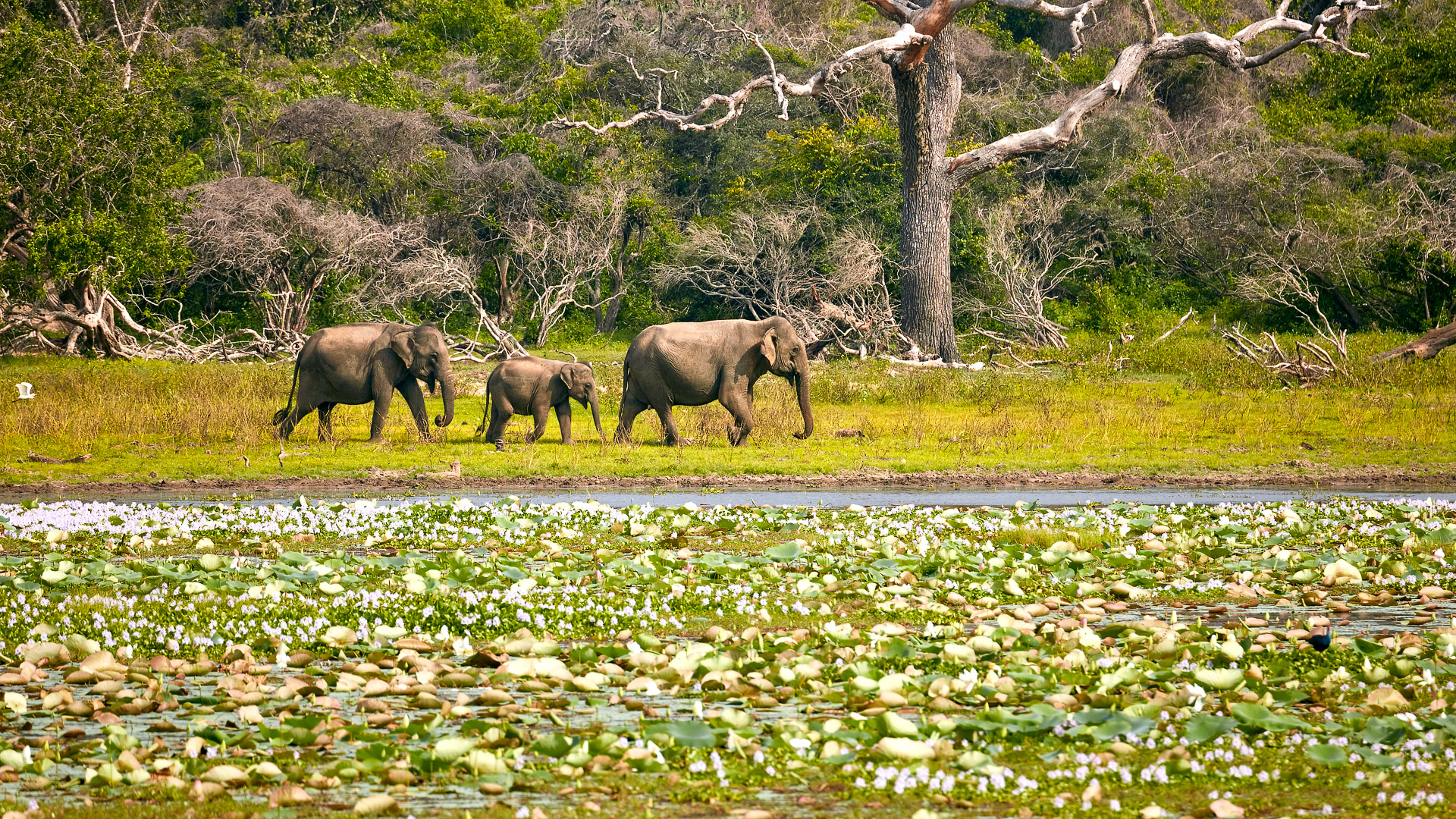
Yala National Park at a Glance
Leopard Density
Block 1 has one of the highest leopard densities in the world. Estimated around one leopard per square kilometre in the core area.
Best Time of Day
Gate opening at 6 AM to 9 AM is the prime window. Late afternoon 3:30 PM to park close is second best. Avoid midday safaris for large cats.
Best Season
February to July when the dry season concentrates wildlife around shrinking waterholes. Animals are more visible and easier to track.
Best Zone
Block 1 (Yala North) is the most productive for leopards, with the highest density and the most experienced guides who know individual animals.
Getting There
About 5 hours from Colombo, 3 hours from Ella, and 1.5 hours from Mirissa. Yala is the natural final stop before the south coast or a return to Colombo.
Safari Cost
A standard half-day safari with an accredited jeep and tracker typically costs USD 40 to 80 per person depending on group size and season. Book through your tour operator.
Eight Tips from Our Guides
Be at the Gate Before It Opens
The first hour is the best hour
The Yala park gate opens at 6 AM and the first vehicles inside have a significant advantage. Leopards are diurnal but most active in the cooler morning hours, and the first safari jeeps to reach the known leopard territories are the ones most likely to find an animal before it retreats into the shade. Our guides aim to be at the gate 15 to 20 minutes before opening.
The difference between entering at 6 AM and 8 AM is not minor. By 8 AM the popular areas of Block 1 have multiple jeeps on the tracks and the animals that were visible in the early light have often moved into cover. The first hour is the hour.
Focus on Block 1, Especially the Core Area
Not all parts of Yala are equal for leopard sightings
Yala is divided into five blocks and Block 1 (also called Yala North or Ruhuna National Park Block 1) is where the overwhelming majority of leopard sightings happen. Within Block 1, the core area around the main waterholes and the coastal scrub zone between the lagoon and the jungle is the most productive habitat.
Experienced guides know the territories of individual leopards and can predict which areas to check based on recent sighting patterns. When you book a safari, ask whether your guide has current knowledge of Block 1. A guide who has been in the park recently and knows where individual animals have been seen in the past few days is worth significantly more than one operating on general knowledge.
Watch the Rocks and Fallen Trees
Leopards rest in predictable places
Yala leopards spend a significant part of the day resting on flat rocks, in the shade of large boulders, and stretched along the branches of fallen or dead trees. When our guides are searching for a leopard, they scan every rock outcrop and every large horizontal branch systematically rather than just watching the tracks. A leopard lying on a granite slab in dappled light is very easy to miss if you are not looking at the right height and in the right places.
The coastal granite zone in Block 1 is particularly good for this behaviour. In the early morning, leopards frequently sun themselves on rocks before the temperature rises. This is the most reliable window for the classic close-range leopard-on-a-rock sighting that Yala is known for.
Follow the Alarm Calls
The jungle tells you where the cat is
When a leopard moves through an area, the other animals respond. Spotted deer give sharp alarm barks. Sambar deer honk. Peacocks scream. Jungle fowl flush noisily. Our guides pay close attention to all of these sounds and can distinguish between a general disturbance and the specific alarm pattern that indicates a large predator moving nearby.
If you hear a sustained sequence of spotted deer alarm calls coming from a particular direction, watch that area. Stay quiet and patient. The leopard is often moving towards you rather than away, particularly if it is heading for a waterhole. Our guides frequently find leopards by following alarm calls rather than by direct searching.
Check the Waterholes at First Light
Every animal in the park needs water
In the dry season, the waterholes in Block 1 are genuinely extraordinary. Every animal in the surrounding area converges on the same water sources, and a patient wait at the right waterhole in the early morning can produce sightings of leopards, elephants, sloth bears, crocodiles, and dozens of bird species within a single hour. Our guides know which waterholes are most active in the current season and position the jeep accordingly.
Leopards coming to drink are more relaxed and approachable than leopards encountered on the move in dense cover. A leopard at a waterhole will often spend several minutes in the open, giving extended close-range sightings that are the ones people talk about for years afterwards.
Stay in the Jeep and Stay Quiet
The most important tip of all
Leopards in Yala are habituated to safari vehicles but not to people standing up, making sudden movements, or talking loudly. Our guides ask passengers to remain seated, to speak in low voices, and to avoid sudden movement when a leopard is nearby. This is not a formality. A leopard that would otherwise stay in the open for ten minutes will move into cover immediately if someone stands up in the jeep or speaks loudly.
Switch your phone to silent before you enter the park. Put it on silent, not vibrate. The vibration of a phone on the metal floor of a jeep carries further than you would expect and we have seen sightings end because of it. The patience and discipline you bring to the jeep directly affects the quality of your sighting.
Do Two Safaris, Not One
Morning and afternoon covers both peak windows
A single safari gives you one window. Two safaris, one early morning and one late afternoon, give you both peak activity periods and significantly increase your chances of a sighting. Our driver guides almost always recommend two safaris to guests for whom leopards are a priority. The additional cost is modest relative to the difference it makes.
If you can only do one, choose the morning. The early morning safari in Yala is consistently more productive than the afternoon. But if you have the time and the budget, the combination of watching the sun rise over Block 1 with your morning coffee and returning in the golden late afternoon light is one of the best wildlife experiences available anywhere in Asia.
Be Patient and Trust Your Guide
Slow down and let the park reveal itself
The worst thing you can do in Yala is rush. Our guides sometimes park the jeep at a likely waterhole or rock outcrop and wait. Not for five minutes, but for twenty or thirty. Guests who are accustomed to the pace of city travel sometimes find this difficult. Guests who embrace it consistently have the better sightings.
A leopard does not perform on schedule. Your guide has been in this park many times and knows that patience is the single most effective tool available. When they stop and wait, they have a reason. When they move quickly to a different location, they have a reason. Trust the process and keep watching the treeline.
Planning a Yala Safari as Part of Your Sri Lanka Tour?
We include Yala National Park as a key stop on our private wildlife tours, combining the safari with the south coast beaches, the hill country, and the Cultural Triangle. Your driver guide will be with you throughout, including coordinating with park trackers for the best leopard zones on the day you visit. Get in touch and we will build a wildlife itinerary around your dates.
What Else to See in Yala
Leopards are the headline but Yala is one of the richest wildlife parks in Asia. Even on a safari where you do not spot a leopard, you will almost certainly see elephants, crocodiles, and an impressive list of birds. These are the other animals our guides regularly encounter.
Sri Lankan Leopard
The star of Block 1. One of the most accessible wild leopard populations in the world.
Asian Elephant
Commonly seen, often in groups near waterholes. Yala has a healthy resident population.
Sloth Bear
Frequently spotted in the early morning. Yala is one of the best places in Asia for sloth bear sightings.
Mugger Crocodile
Reliable at all the major water bodies. Large individuals are common near the lagoon areas.
Water Buffalo
Large herds visible in the open grasslands, particularly near the coast and around larger waterholes.
Bird Life
Over 215 species recorded. Painted storks, crested serpent eagles, changeable hawk-eagles, and bee-eaters are all common sightings.
Before You Go: What to Bring
Binoculars
Essential. A leopard in a tree 80 metres away is a blur without binoculars and a clear sighting with them. Bring a pair or ask if your tour operator can supply them.
Camera with Zoom
A 300mm or longer telephoto lens gives you the best results. Even a decent phone camera with digital zoom will capture a relaxed leopard on a rock from safari distance. Put the phone on silent before entering the park.
Neutral Clothing
Khaki, olive, or grey. Avoid bright colours and white. You will be in an open jeep and your clothing is visible to the animals. Most experienced safari guests wear earth tones as a matter of habit.
Sun Protection
The open jeep in direct sun for four hours is significant sun exposure. Hat, sunscreen, and a light long-sleeved layer for the morning when the sun angle is low and direct.
Water and Snacks
Bring at least 1.5 litres of water per person for a half-day safari. Light snacks are fine. Heavy meals before an early morning safari are not recommended. You may be in the park for four to five hours.
Insect Repellent
Particularly useful at dawn and dusk near the waterhole areas. The early morning start means you will be at the gate before sunrise when mosquitoes are most active outside the park fence.
I have been asked many times whether the Yala leopard experience lives up to the reputation. My honest answer is that it usually exceeds it. The combination of genuinely wild, close-range leopard sightings in extraordinary landscape, alongside elephants, sloth bears, and the coastal scrub of the deep south, makes it one of the most remarkable wildlife experiences I know of anywhere. The people who come expecting a standard zoo experience leave having seen something that changes what they thought wildlife watching could be.
Frequently Asked Questions
Yala Block 1 has one of the highest leopard densities in the world, estimated at around one leopard per square kilometre. With a knowledgeable guide and an early morning or late afternoon safari, the sighting rate is genuinely high. Most experienced guides report leopard sightings on the majority of their safaris. It is not guaranteed, but Yala is the best place in Asia to see a wild leopard from close range.
Early morning, from the gate opening at 6 AM until around 9 AM, is the best window. Leopards are most active in the cooler hours and are frequently seen on rocks, in trees, and moving between waterholes in the early morning. Late afternoon from 3:30 PM until park closing is the second-best window. Midday safaris between 10 AM and 3 PM in the heat are the least productive for large cat sightings.
Block 1 is the most productive zone for leopard sightings. It is the oldest and most established part of the park, with the highest leopard density and the most experienced guides who know the individual animals and their territories. Block 5 is quieter and less visited but also has leopards. Most visitors on a standard safari will be in Block 1.
February to July is the best period. The dry season concentrates wildlife around the remaining waterholes, making animals much easier to find. Leopards, elephants, sloth bears, and crocodiles all become more visible as the vegetation thins and water sources reduce. The park closes for part of September and reopens in October. December to February is also good but can be affected by the north-east monsoon.
Two safaris is the minimum we recommend: one early morning and one late afternoon. This gives you both the best time windows and significantly increases your chances of a leopard sighting. One safari is better than none, but if leopards are your priority, two safaris are worth the extra cost and time.
Yala has excellent wildlife beyond leopards. Elephants are commonly seen, often in large groups near waterholes. Sloth bears are frequently spotted, particularly in the early morning. Crocodiles are reliable at most of the larger water bodies. The bird list is exceptional, with over 215 species recorded. Sambar deer, spotted deer, wild boar, water buffalo, and mongoose are seen on almost every safari.
More Sri Lanka Wildlife Guides
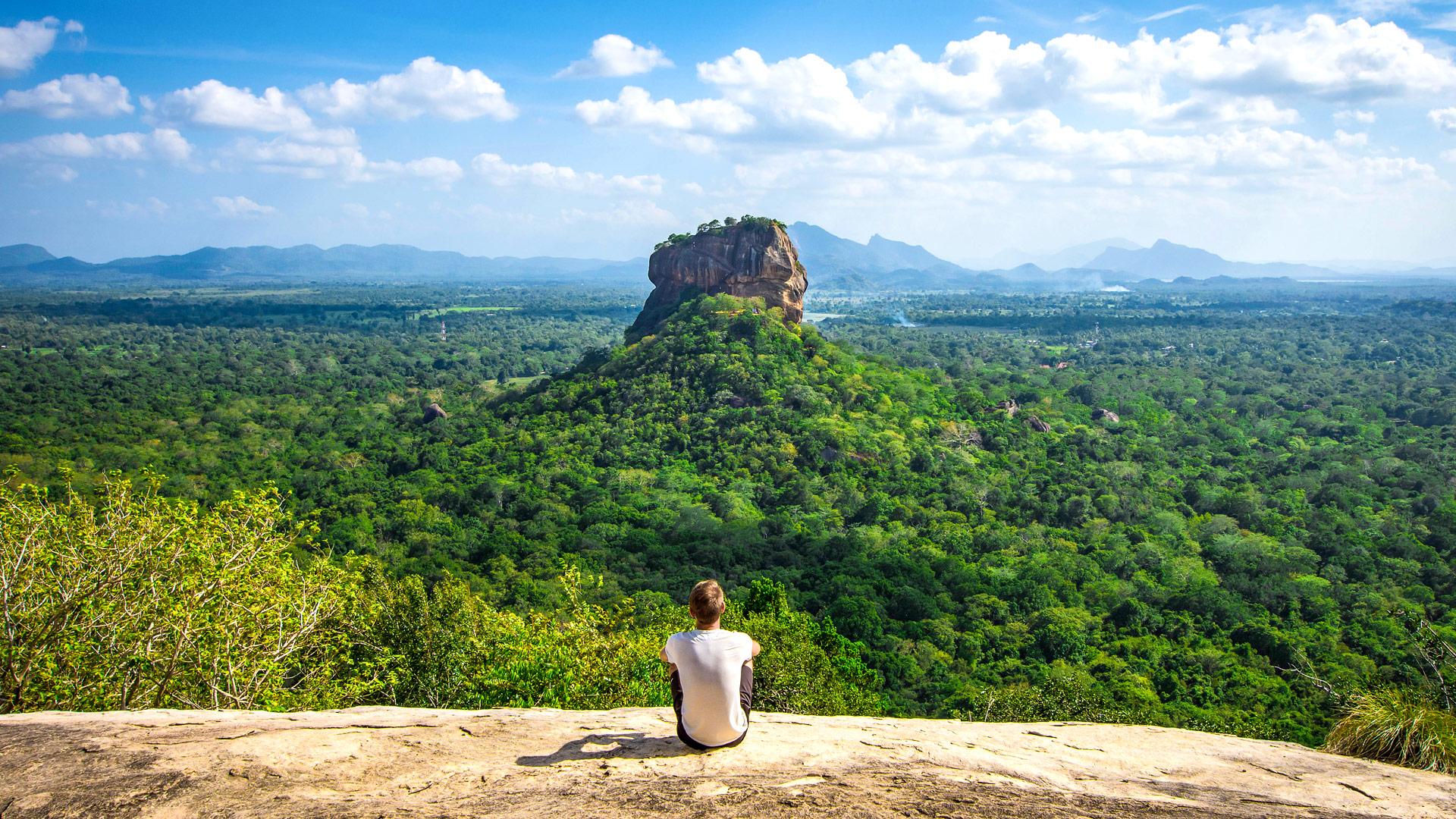
My Favourite Hidden Gems in Sri Lanka That Most Tourists Miss
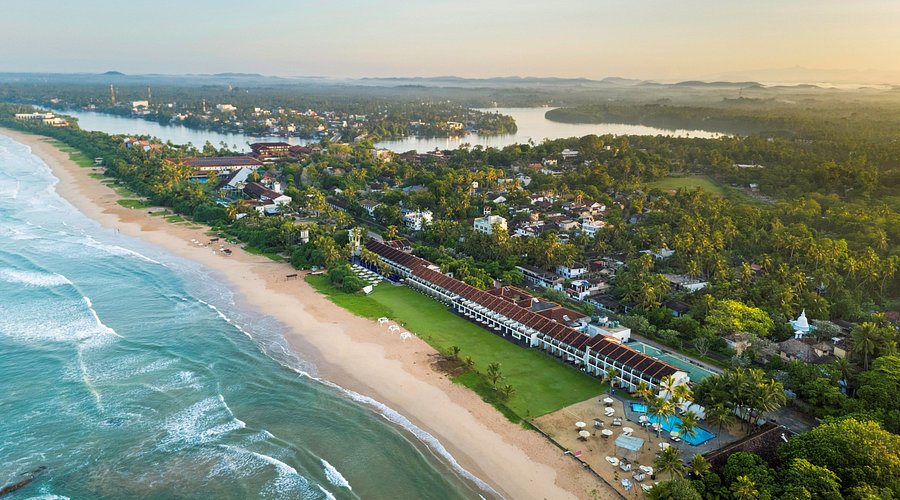
How to Plan a Sri Lanka Tour in 2026
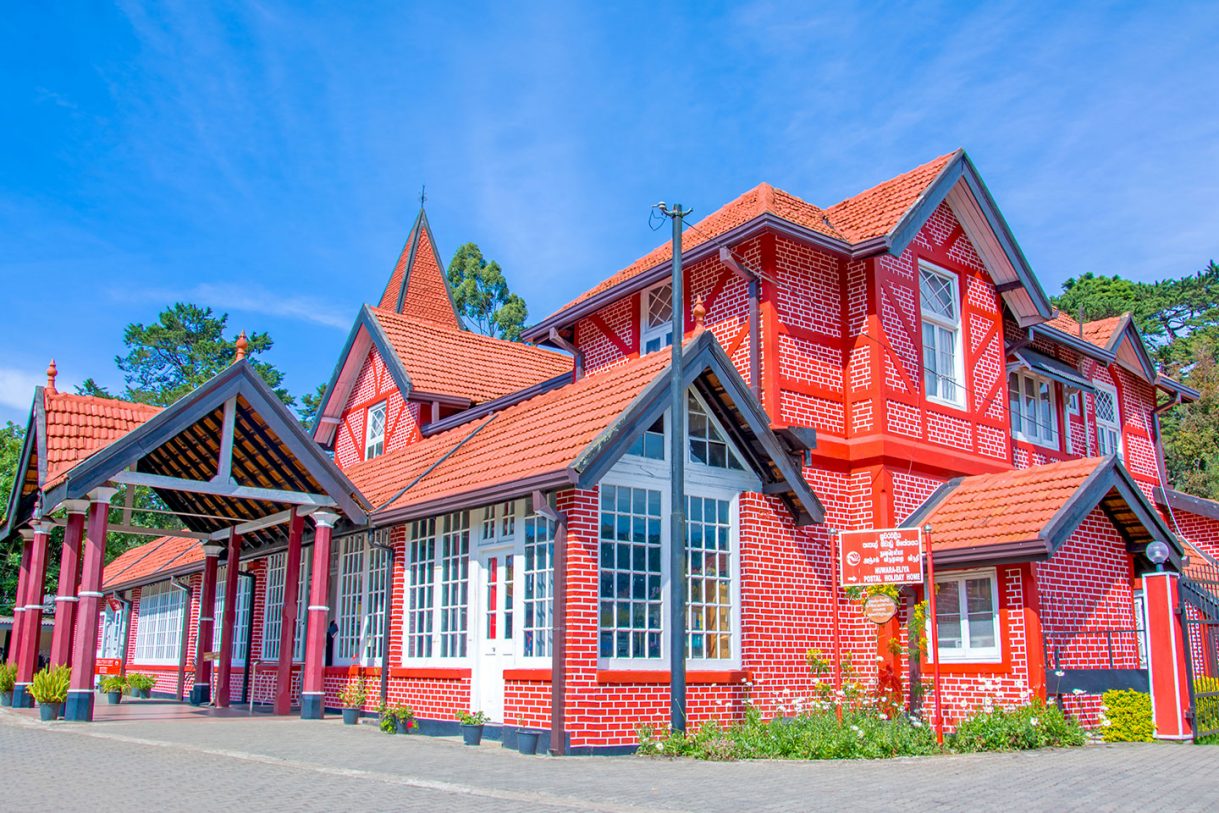
Sri Lanka Tour Packages: What to Expect and How to Choose
Ready to Plan Your Yala Safari?
We build private wildlife tours that include Yala National Park as part of a wider Sri Lanka itinerary. Two safaris, a knowledgeable driver guide who knows Block 1, and a route that combines the wildlife with the hill country, the Cultural Triangle, or the south coast beaches. Get in touch and we will put a plan together.